How We Help: Work Out What a Stopped Car Needs
Answer five questions about the car and where it has stopped, and the helper narrows the answer to the kind of help to ask for and the facts to give the dispatcher.
A tow is the answer only after three facts are known
We run this guide the way a careful answer should run: read the rules and manuals that apply, check them against the situation in front of a driver, and compare the options before recommending one. Our judgement rests on that method. It does not rest on years on the road, jobs completed or customers spoken to, because this site has none of those to show. For a stopped car the method comes down to three questions: does the car roll, where is it sitting, and what kind of vehicle is it? A stranded driver can answer all three without knowing anything about towing.
Those answers settle most of what follows. A car that can still be driven, with a flat, a dead battery or a lockout, usually needs someone at the roadside rather than a truck. A car that cannot move, is damaged, or is too heavy for an ordinary truck usually needs to be carried. The helper below works from that split, and it says where a state rule or the vehicle's own manual takes over.
The right tow follows from the car's situation, not from a company's name or a search term.
Four numbers that change how a stopped car is handled
Each figure comes from the source named beside it. They are rules and measurements, not prices.
- 3 years
- The age past which AAA says a battery may not hold a charge overnight, so a jump may only be a stopgap. AAA, on jumping a battery
- 54,500 lb
- The chassis rating a heavy-duty wrecker needs to join New Hampshire's State Police tow list. It binds that list, not every tow in the state. RSA 106-B:28
- 15 days
- As of October 2026, the time a New Hampshire owner has to ask in writing for a review of a State Police-authorised tow fee, counted from the release of the car. From 1 January 2027 the window is 30 days from receipt of the invoice. RSA 262:35-a
- 106
- Cases of tow truck operators killed or severely injured, found in a study of OSHA records published in 2019, covering the United States. That is why a working tow truck is a reason to slow down and give it room. CDC, Motor Vehicle Towing: An Analysis of Injuries
Four rules the helper is held to
Each rule is written so that a reader could catch the helper breaking it.
- It names no company and ranks none, so a business name anywhere on this page is an error.
- A car that can still be driven, with a flat, a dead battery or a lockout, gets roadside advice first. A tow is named only when the car cannot move or a truck is needed.
- A car in or beside live traffic is a safety question before it is a towing question.
- Where a state rule or the car's manual says something different from this page, the rule or manual wins, and the page says so.
Work out which help fits the car
Answer one question at a time. The result is general: where a state rule or the car's own manual applies, the reasoning says so. The helper names no company and prints no prices.
- If the problem is a flat tire, a dead battery or a lockout, ask for roadside help first, even if the car will not move, since that problem is usually the only thing keeping it still. Ask for a tow only if that help fails, for example a jump start does not bring the car to life or the flat cannot be changed safely. If the car cannot be driven and the damage is unknown, a tow is likely.
- An all-wheel or four-wheel drive car: ask for a flatbed. A van, pickup or heavier vehicle: ask for a truck built for its weight, and say the weight. A front- or rear-wheel-drive car: a wheel-lift can suit it. If the drive type is not known, ask for a flatbed, which carries the whole car.
- If the car is in or beside live traffic, get it out of the lane if you can do so safely, switch on the hazard lights, and deal with the traffic before anything else.
- On the call, say where the car is, its make, model and drive type, what seems wrong, whether it can be driven, and a number where you can be reached.
Before anything else, get the car out of live traffic if you can do so safely, switch on the hazard lights and keep away from the traffic. The move-over rules in Massachusetts (G.L. c. 89, section 7C) and New Hampshire (RSA 265:37-a) exist for the people working at the roadside.
Ask for roadside help, not a tow
A car that can still be driven, with a flat tire, a dead battery or a lockout, usually needs someone at the car rather than a truck.
Tell the dispatcher:
- Where the car is: the road, the direction of travel and the nearest cross street or mile marker.
- The make, model and drive type: front, rear, all-wheel or four-wheel.
- The problem in a few words, and whether the car can still be driven.
- Call the roadside number on your plan first, since the cover may pay for the help.
- A number where you can be reached.
Why roadside help fits
AAA's advice on a jump is to attach the last black clamp to clean, unpainted metal on the car with the dead battery, not to its battery, because a faulty battery can vent explosive hydrogen gas. AAA, on jumping a battery, also says never to jump a battery that is cracked, bulging or smells of rotten eggs.
What would change it: the car will not start after a jump, the flat cannot be changed safely at the roadside, or someone is hurt or locked inside. In that case call 911 first and ask for a tow. The owner's manual shows the jacking points and jump-start terminals for the car, and where it differs from this page, the manual governs.
Ask for a wheel-lift or a flatbed
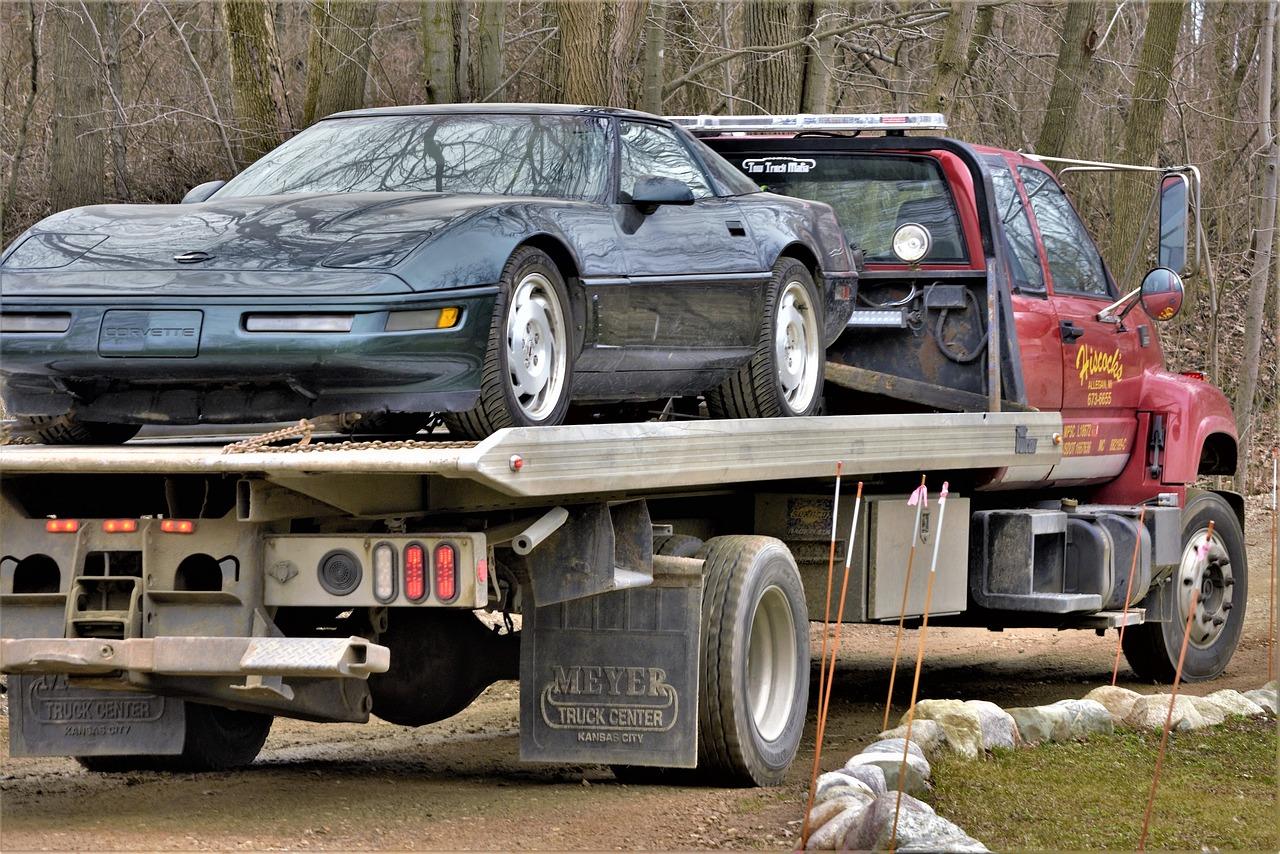
A car that cannot be driven, or whose problem is damage or not known, needs to be lifted or carried. Say the drive type when you call, so the right truck is sent.
Tell the dispatcher:
- Where the car is, and where it should go.
- The make, model and drive type.
- Whether the car can be driven, and what seems wrong.
- Call the roadside number on your plan first, since the cover may pay for the help.
- A number where you can be reached.
Why this truck
A wheel-lift raises only one end of the car, which suits a front- or rear-wheel-drive car. A flatbed carries the whole car, so it is the choice whenever the drive type is not known. AAA's comparison of flatbed and wheel-lift towing names the flatbed as the right truck for all-wheel and four-wheel drive vehicles.
What would change it: a van, pickup or heavier vehicle, which needs a truck built for its weight, or an owner's manual that says how the car should be towed. Plans often limit towing miles, and Consumer Reports notes that the limits vary by tier, so check the plan before assuming a tow is covered.
Ask for a flatbed tow
An all-wheel or four-wheel drive car is one to ask for a flatbed for, whether or not it can be driven. Say the drive type first on the call, so the dispatcher sends the right truck.
Tell the dispatcher:
- The drive type first: all-wheel or four-wheel.
- Where the car is, and where it should go.
- Whether the car can be driven, and what seems wrong.
- Call the roadside number on your plan first, since the cover may pay for the help.
- A number where you can be reached.
Why a flatbed
AAA lists the flatbed as the ideal truck for all-wheel and four-wheel drive vehicles, because a wheel-lift raises only one end and suits front- or rear-wheel-drive cars.
What would change it: the owner's manual, which may say how the car can be towed, and the state rules that apply to the tow. Where either says something different from this page, it governs.
Ask for a heavy-duty wrecker or a flatbed rated for the weight
A van, pickup or anything heavier needs a truck built for its weight, so give the weight when you call. The manufacturer's label on the driver's door jamb can show it.
Tell the dispatcher:
- The vehicle type, and its approximate weight.
- The drive type, and whether the vehicle can be driven.
- Where it is, and where it should go.
- Call the roadside number on your plan first, since the cover may pay for the help.
- A number where you can be reached.
Why the weight decides it
New Hampshire's State Police tow list sets a heavy-duty standard for its own rotation tows: a chassis rated at least 54,500 lb GVWR and a combined winch of at least 50,000 lb. That standard binds the trucks on the list, not every tow, but it shows how far a heavy job goes beyond an ordinary truck.
What would change it: the vehicle's own manual, and any state or town rule that applies to the job. Massachusetts and New Hampshire rules differ, so read the one for the state where the car is.
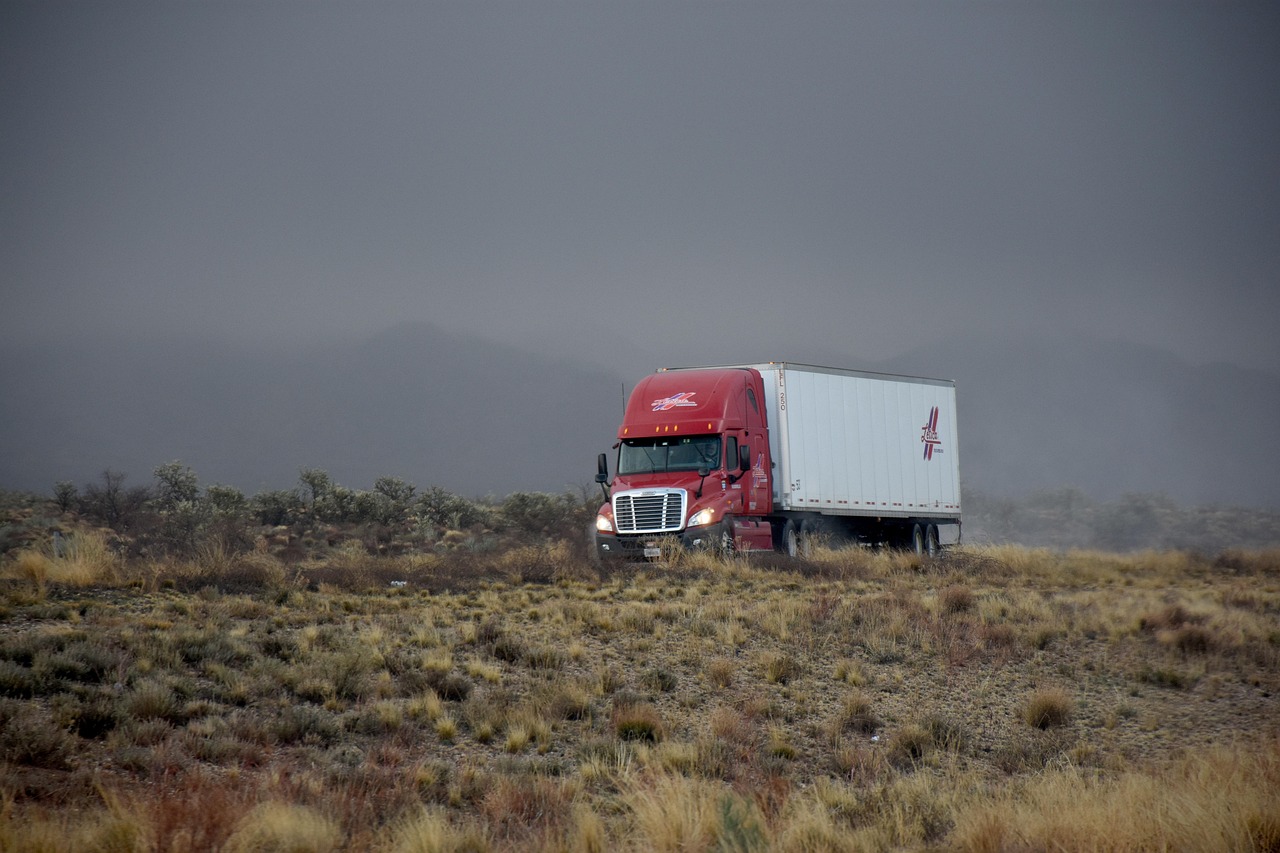
What a roadside call looks like from the mechanic's side
This clip shows a roadside mechanic describing a day on emergency calls. It is here so a reader can see the work the helper's questions are about: the cars at the roadside and the people who come to them. Roadside Rescue made it, not this site, and it recommends no company.