A blue sedan stopped on a dusk road, with trees on the left and open sky beyond

Tow and roadside help, worked out before you call

A guide for Massachusetts and New Hampshire drivers to the kind of help a stopped car needs, what the rules say about it, and what to tell the dispatcher.

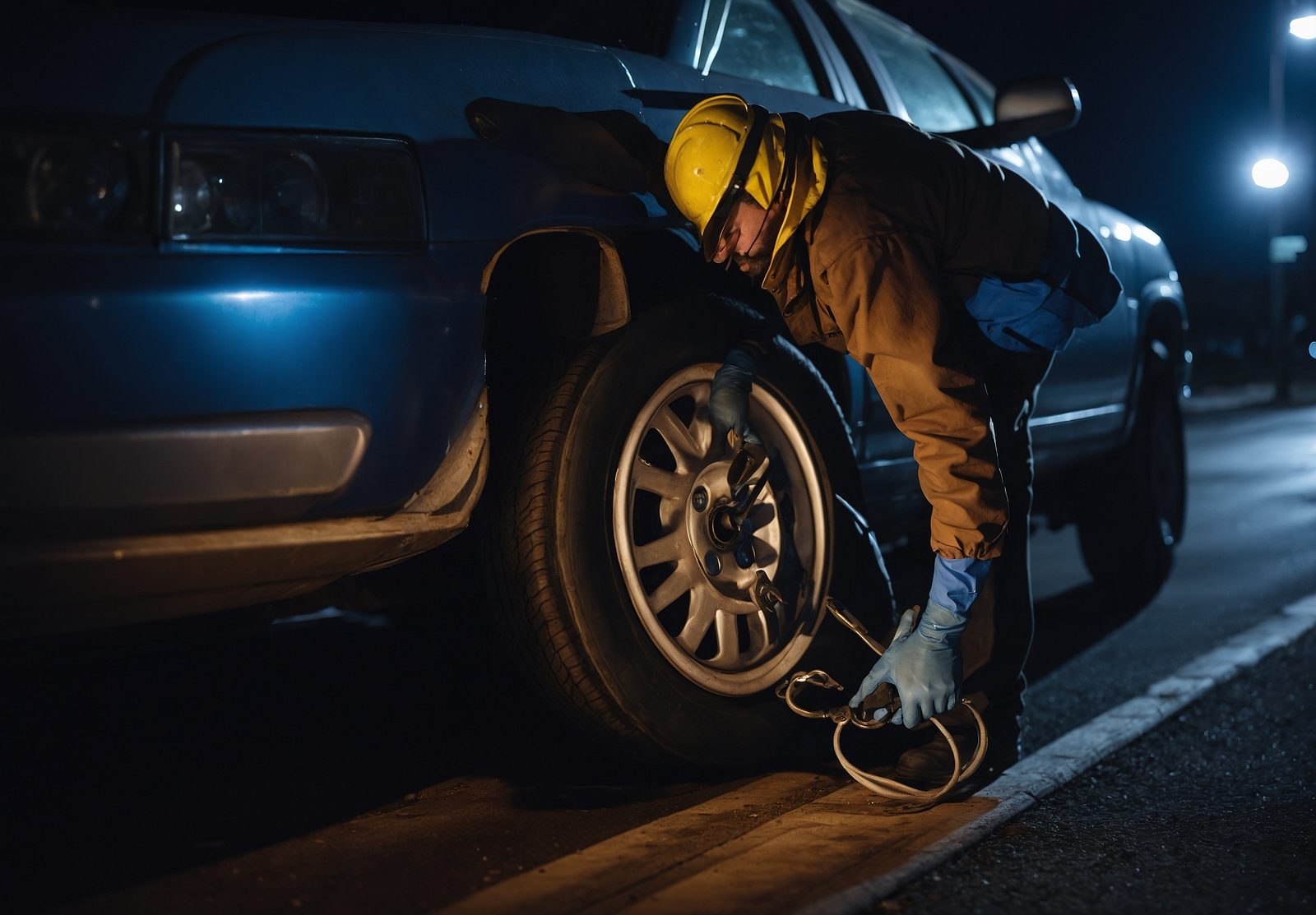
Gloved hands tightening a ratchet strap around a car wheel on a flatbed at night

How a note reaches this notebook

The Glovebox Notebook is a notebook of what to know when a car stops, written from the cited sources. We read the rule before we repeat it, and we check it against the state's or city's own published text. Where a rule varies from one town to the next, we say so and name the place a reader should check. We do not rank companies, we do not invent reviews, and we do not claim experience of a tow we have not seen.

  1. Take the question the way a driver asks it

    Write the question down as someone standing beside a stopped car would say it, without the trade's own words. A driver asks whether the car can be moved, what it will cost and where it will go, and the note answers in those words. The wording stays at the top so the person who needs the answer can find it quickly.

  2. Read the rule that answers it

    Go to the statute or the published rule itself and cite its section, not a summary of it. A summary can drop the condition that decides the answer, so the note quotes the operative phrase. Where the text is long, the note points to the section that matters rather than the whole chapter.

  3. Check it against the state's or city's own page

    An agency page can say something the statute does not, so the rule is checked against it. Where the two disagree, or a page carries no date, the note says so in plain words. A note does not pick the version that suits it.

  4. Mark what varies

    Rules differ by state and by town, so each note names the place a reader should check next. Massachusetts and New Hampshire rules get separate lines rather than a blended one. Each note is re-checked against its cited sources.

  5. Date every note and reopen it when a rule changes

    A note records the day it was checked, so a reader can see how old it is. Where the text it rests on changes on a known date, the note carries that date. A note with no date is not finished.

Four numbers from the rules, each with its source

$132
The most a Massachusetts tow may charge for a police-ordered or involuntary tow of a passenger vehicle, as the City of Boston's towing page gives it. That page carries no date, so check it against the Department of Public Utilities. What you need to know about towing (City of Boston)
$35
The storage cap per 24-hour period for a non-commercial passenger vehicle towed without the owner's choice in Massachusetts, and only in lighted outside storage behind a fence or barrier at least six feet high. General Laws, chapter 159B, section 6B
15 days
The New Hampshire window to ask the commissioner of safety in writing for a review of a state-police-authorized tow fee, counted from the day the car is released. The window moves to 30 days on 1 January 2027. RSA 262:35-a
106
Tow truck operators killed or severely injured in OSHA injury records, counted in a 2019 study that urged states to treat tow trucks as first-responder vehicles under their Move Over laws. Motor Vehicle Towing: An Analysis of Injuries in a High-Risk yet Understudied Industry

Four jobs that look alike from the roadside

A battery that will not turn the engine

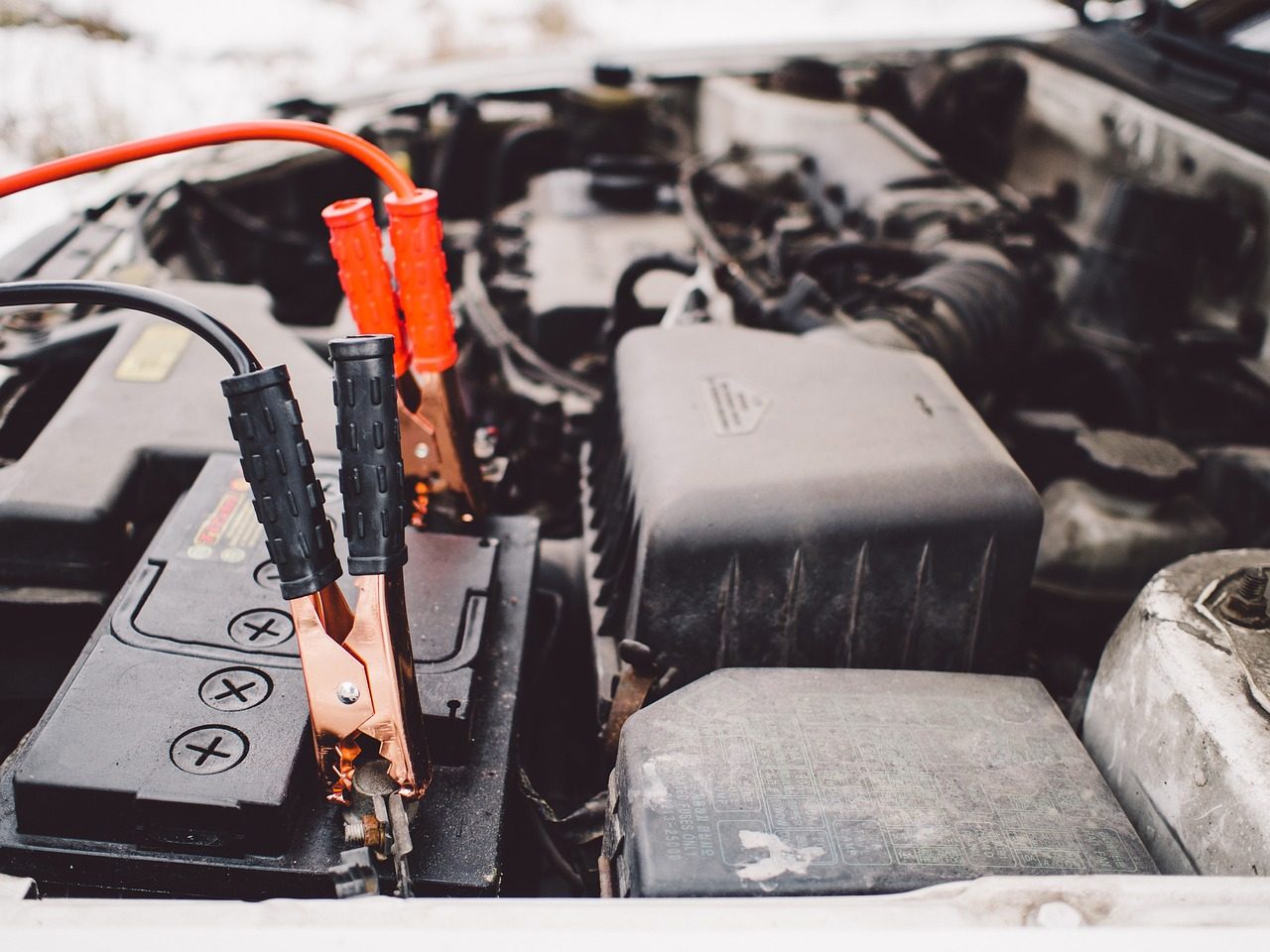
A jump is a roadside job with an order to it, and the order matters. Which clamp goes where is set out in the photograph further down this page. If the battery is in an unusual place, the owner's manual decides more than any guide does.
A tire that has gone down

Whether to change a tire yourself or call for help depends on where the car has stopped. It also depends on whether you can get clear of the traffic and whether the spare and tools are in the car. If the car is on a highway, safety comes first and the tire second.

Keys locked inside

A lockout is a different job from a tow, and the two are often mixed up when a driver calls. Say whether the car is running, whether anyone is inside, and whether the keys can be seen from outside. Those three answers shape what the dispatcher sends, and they take a moment to check before the call.

A car that cannot roll

Whether the car can roll and what it drives decides which truck is sent. A car that will not roll is a different job from one that simply will not start. Say both when you call, so the dispatcher can send the right equipment.

Viking Towing lists several of these jobs on its own website, and a reader can see what they offer there. The company's own pages are the place to check the names of its services before a call is made. The rules behind any of these jobs are in the notes on this site, not on a company's page. This notebook has not used the company, so treat the listing as a starting point.

Watch the tire job before you decide to do it yourself

When the tow has to happen overnight

A tow at two in the morning leaves little time to check a company's hours, its charges or where the car will be taken. It is worth looking at those while the car is still in the driveway and nobody is in a hurry. If the job is a night tow, Viking Towing's own website has a page on 24/7 towing; this notebook has not checked that page against the rules, so read what it says before relying on it. This notebook cannot say which company will answer a given call, so the page is a place to start rather than a promise.

A battery that needs a jump

A jump can be done by the driver, and the order of the clamps is what keeps it safe. The photograph shows the clamps on a battery under an open hood, so the layout is familiar before the first clamp goes on. A driver who would rather someone else did the jump can ask for that instead. Viking Towing's own website has a page on jump start service for that case. The caption below sets out the clamp order AAA gives, and it is worth reading before the cables come out of the bag.

Jumper cables clamped to a car battery under an open hood
AAA says the last black clamp goes on clean, unpainted metal on the car with the dead battery, not on the battery itself, because a faulty battery can vent explosive hydrogen gas. It also says a battery over three years old may not hold a charge overnight. How to jump a battery and get yourself back on the road (AAA)

Before you pay for any tow, find out who ordered it, because that one fact decides which rules apply.

The Glovebox Notebook
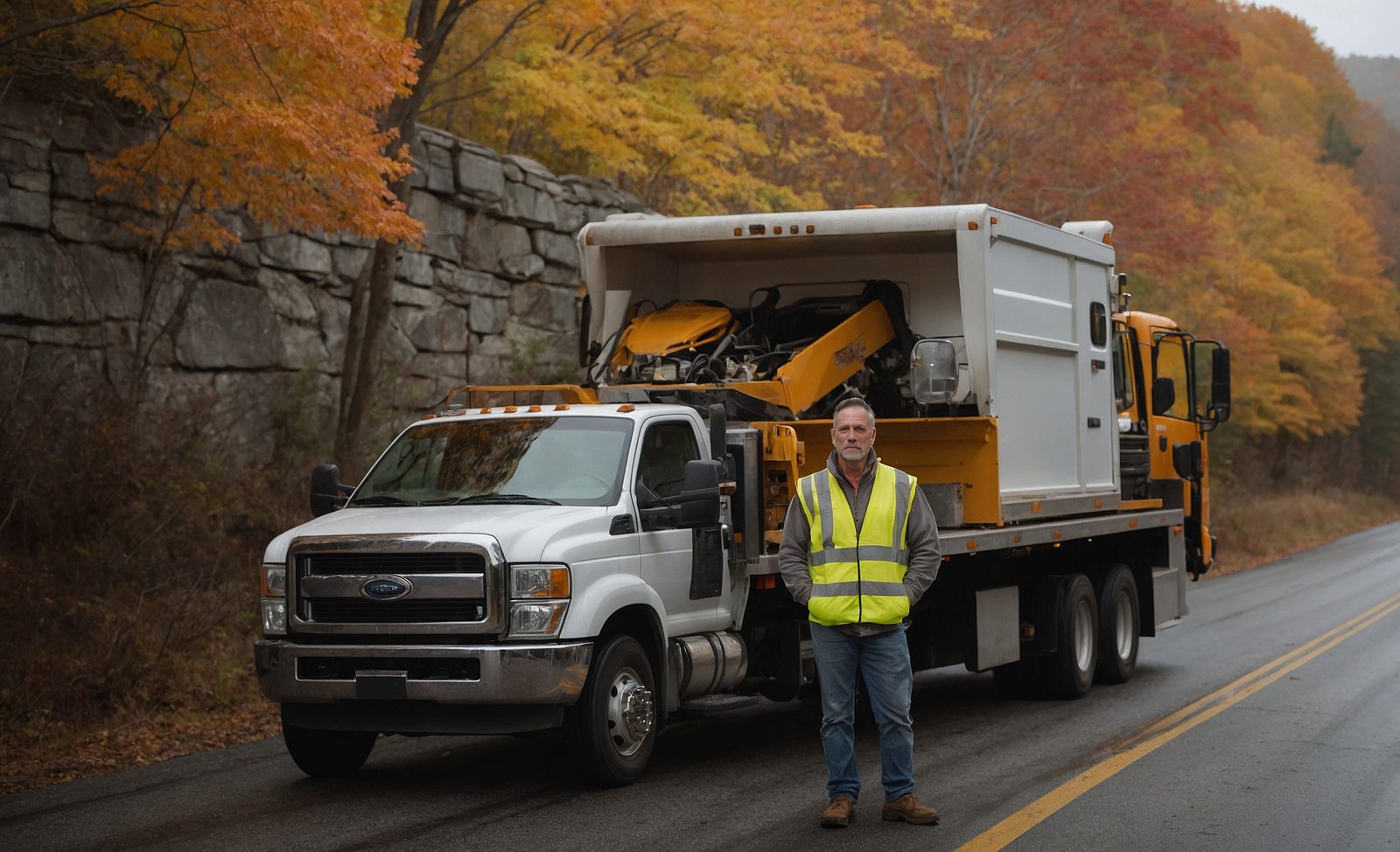
A man in a hi-vis vest standing beside a flatbed tow truck on a country road

Pick the kind of help before the phone call

The helper on the how-we-help page asks a few plain questions about the car, where it has stopped and what has gone wrong. It then names the kind of help to ask for and what to tell the dispatcher, with the reasons set beside each answer. It is general, it names no company, and it leaves the state and town rules to the places that publish them. If the keys are locked inside, the helper points toward a lockout, and Viking Towing's own website has a page on car lockout service.

A towing listing in Webster, Massachusetts

Viking Towing has a listing in Webster, MA. Their Google listing shows them open 24 hours every day, with a 4.9 rating across 88 Google reviews, and lists the phone number as (617) 947-5188. The hours, the rating and the number are the profile's own, so check them on the listing before you rely on any of them.

Writing to the notebook, and where to go first

This notebook publishes no email, phone or postal address, and it cannot send a truck. Questions about a note go through the get in touch page, which explains what a driver can do instead. Nothing on this site can dispatch help, so a stopped car needs a call to a company or to a roadside plan the driver already holds. If anyone is hurt, or the car is stopped in a live lane, call 911 before anything else.